
As crisp autumn air rolls in and the vibrant fall foliage begins to blanket backyards across Minnesota, homeowners start turning their attention toward closing down the yard for the season. The patio tables are wiped down, lawnmowers are readied for hibernation, and camping gear is pulled from the trunk after that final weekend getaway up north.
In the rush to button up the house before the first freeze, it is tempting to take a shortcut: stacking patio furniture cushions in the garage, rolling up sleeping bags, and tucking camp gear straight into basement bins just as they are.
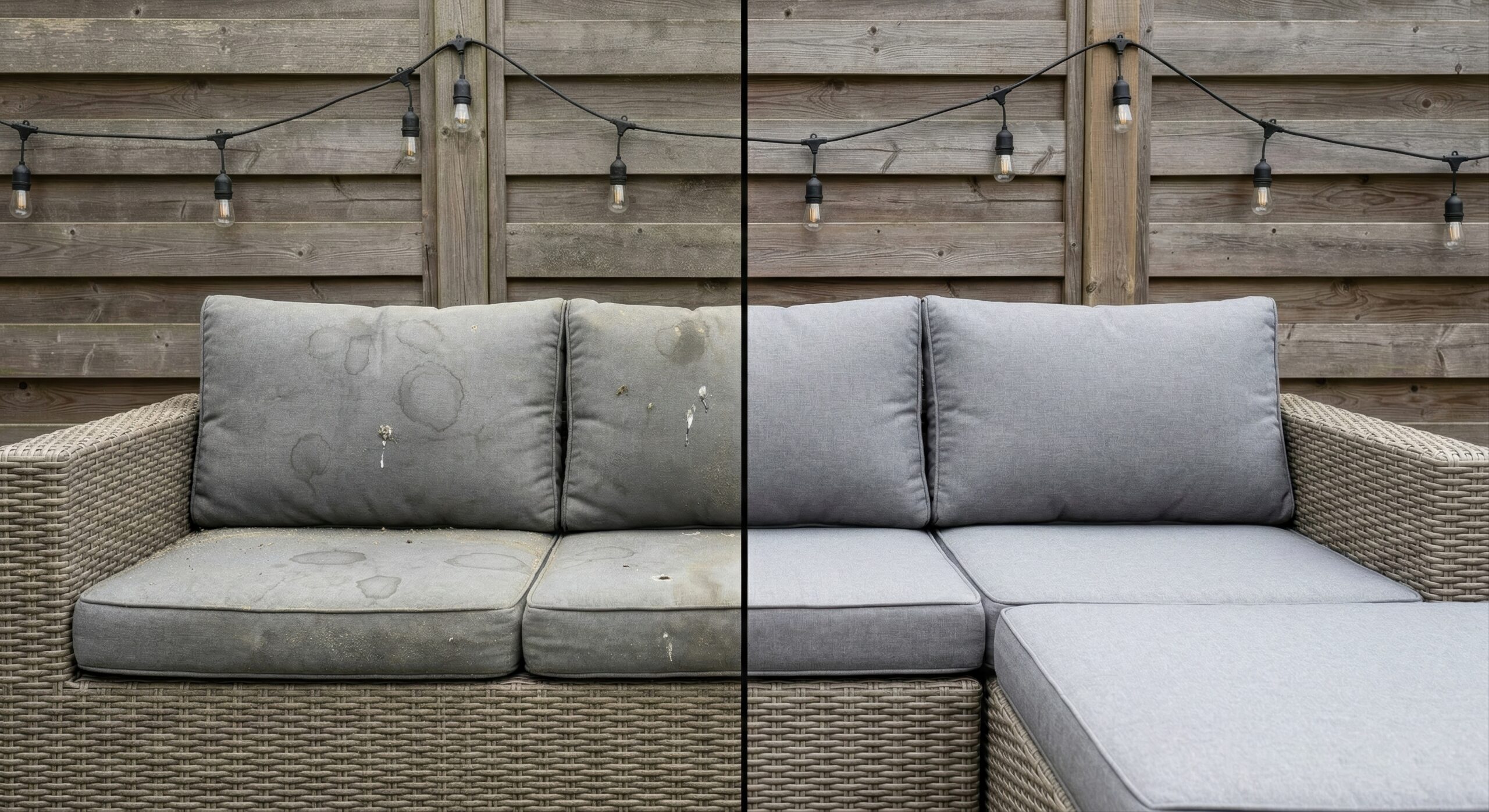
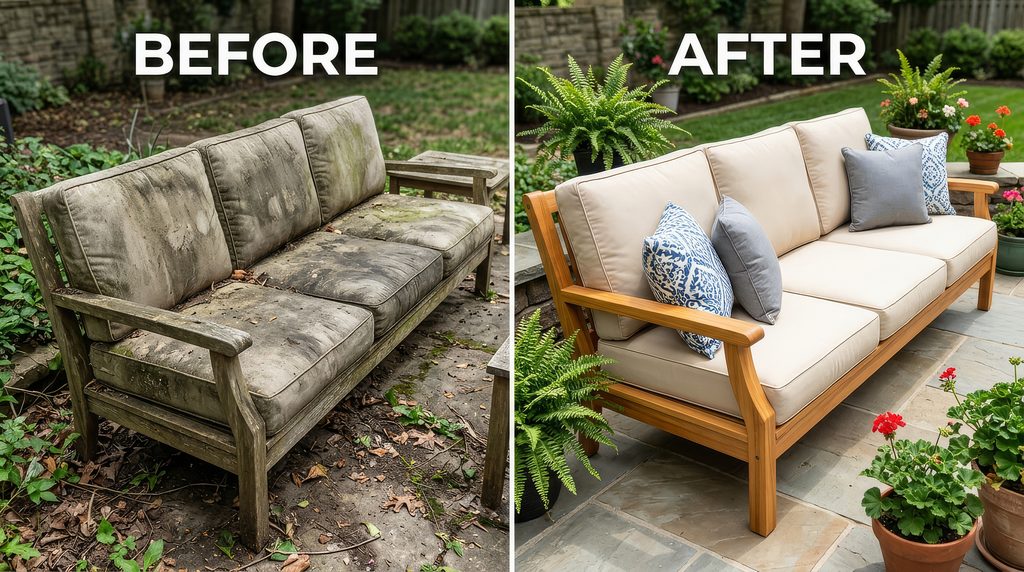
However, packing away summer textiles without a deep clean is a recipe for disaster. Over months of damp, dark winter storage, the invisible layer of outdoor grime—sunscreen residue, spilled drinks, campfire smoke, microscopic mold spores, and autumn pollen—settles deep into the fibers. Come May, you are greeted with stubborn stains, permanent mildew spots, musty smells, and potentially ruined fabrics.
Taking the time to properly wash patio cushions at a laundromat, along with your bulky camping gear, protects your outdoor investments, keeps rodents away, and guarantees that when warm weather returns, your gear is fresh, clean, and ready to go.
The Hidden Danger of Storing Dirty Summer Gear
Outdoor gear and patio sets are engineered to be tough, but winter storage conditions subject fabrics to prolonged moisture, fluctuating temperatures, and zero air circulation. Storing items with even minor surface grime can lead to several serious issues:
- Permanent Mold and Mildew: Outdoor fabrics like Sunbrella and marine-grade polyester are resistant to mildew, but the dirt, food crumbs, and organic dust clinging to them are not. Mold feeds on organic debris trapped in damp garage or shed air, eating through protective coatings and leaving unsightly black spots that are nearly impossible to remove.
- Rodent and Pest Attraction: That faint smear of barbecue sauce on a deck cushion or forgotten marshmallow sticky residue on a sleeping bag might be barely noticeable to you, but to mice and squirrels seeking warm winter nesting materials, it is an open invitation. Clean fabrics eliminate food scents that attract pests.
- Fiber Degradation and Discoloration: Sunscreen, bug spray (especially formulas containing DEET), and body oils break down fabric sealants over time if left untreated, causing discoloration, fabric thinning, and seam rot.
Why Your Home Washer Can’t Handle Outdoor Cushions and Camping Gear
Many homeowners attempt to clean their outdoor cushions or heavy sleeping bags in a standard residential washing machine. Unfortunately, home appliances are simply not designed for heavy, water-resistant, or oversized textiles.
- Buoyancy and Drum Capacity: Outdoor cushions and synthetic down sleeping bags trap massive amounts of air and water. In a compact 4.0-cubic-foot residential washer, they puff up, float to the top, and fail to submerge. The agitator merely rubs against one side, leaving the interior dirty.
- Severe Mechanical Strain: Once soaked, an oversized outdoor lounger cushion or double sleeping bag can weigh 25 to 40 pounds. Spinning an unbalanced load of that size can strip home washer drive belts, bend suspension rods, and burn out appliance motors.
- The Center Agitator Hazard: Residential top-loaders with center agitators can easily catch on zippers, drawstrings, webbing straps, and heavy-duty seams, ripping fabric and pulling apart internal baffles.
The solution? A trip to a local commercial laundromat like Duds-n-Suds in Elk River or Monticello, where large-capacity, front-loading commercial washers provide the space, water volume, and gentle tumbling action needed to safely deep-clean bulky items in one seamless visit.
Step-by-Step: How to Wash Patio Cushions and Covers
Before heading to the laundromat, examine how your patio cushions are constructed. Most modern patio sets feature removable zippered slipcovers, while others have tufted, non-removable fill.
1. Removable Cushion Covers
If your cushions have zippers:
- Unzip and Remove: Strip the foam or batting inserts and inspect the foam cores. If the foam has an odor, set it out in direct sunlight for an afternoon to air out; do not run foam blocks through washing machines.
- Zip Them Closed: Before washing, zip the covers shut so the teeth do not snag on the fabric during the cycle.
- Select the Right Cycle: Load multiple covers into a medium- or large-capacity front-load washer. Use a gentle or normal cycle with cool-to-warm water (avoid high heat, which can shrink custom-fitted covers or damage water-repellent backings).
- Use Mild Detergent: Stick with a gentle, liquid laundry detergent free of fabric softeners, which can coat synthetic fibers and ruin outdoor water repellency.
2. Non-Removable Cushions and Dining Chair Pads
For smaller dining chair pads or bench cushions where the cover cannot be separated from the batting:
- Pre-Treat Tough Stains: Use an enzyme-based stain spray or a mixture of warm water and mild dish soap on food stains, bird droppings, or grease spots. Let it sit for 15 minutes.
- Go Big on Washer Size: Choose an extra-large (40-lb to 60-lb) commercial washer. Giving the cushions plenty of open drum space allows water to saturate through the dense inner core and flush out trapped dirt.
- Add an Extra Rinse: Outdoor cushion cores hold lots of soap. Always select an extra rinse cycle to ensure all detergent residues are thoroughly purged.
Deep-Cleaning Camping Gear: Sleeping Bags, Camp Blankets, and Hammocks
Fall is also the ideal time to rejuvenate the family camping stash before stowing it away in totes.
Sleeping Bags (Down and Synthetic)
- Never Dry Clean: Dry cleaning chemicals can strip natural oils from down feathers and break down synthetic hollow fibers.
- Front-Load Washers Only: Commercial front-load machines tumble items horizontally through water without an agitator, preventing the internal insulation from clumping or tearing delicate baffle stitching.
- Detergent Selection: Use specialized down wash for goose/duck down bags, or a mild technical fabric wash for synthetic fills.
- Thorough Low-Heat Drying: In commercial tumble dryers, set the temperature to low. High heat can melt synthetic shell fabrics. Toss 4 to 6 wool dryer balls or clean tennis balls into the drum to continuously break up clumps of insulation as it dries. Down sleeping bags can take 60 to 90 minutes to dry completely; verify that no damp spots remain in the core.
Hammocks, Camp Chairs, and Tarps
- Remove any steel carabiners or rigid wooden spreader bars.
- Place nylon hammocks and gear organizers into mesh laundry bags to prevent long suspension straps from tangling around the drum.
- Run on a delicate cycle, cold water, and air dry or tumble dry on ultra-low.
Proper Winter Storage Tips to Preserve Your Clean Fabrics
Once your cushions and camping gear are fresh, clean, and completely dry from the laundromat:
- Zero Moisture Rule: Never pack away an item that is even 1% damp. Trapping residual moisture inside a plastic container or storage bag guarantees mildew growth within weeks. Ensure all items are bone-dry to the core.
- Breathable Fabric Storage: While plastic bins keep mice out, non-breathable plastic bags can trap condensation during temperature shifts in an unheated garage. Whenever possible, store clean outdoor cushions and sleeping bags in breathable canvas storage bags or cotton pillowcases.
- Hang or Loosely Fold Sleeping Bags: Avoid keeping sleeping bags compressed inside their small nylon stuff sacks all winter long, as this permanently compresses the insulation loft. Store them hung on wide hangers or folded loosely inside a large mesh storage sack.
- Elevate Off Concrete: Store fabric totes and cushion bags on shelving racks rather than directly on cold concrete garage floors, which can transmit ground moisture and cold condensation.
Tackle Fall Cleaning in One Easy Stop at Duds-n-Suds
Instead of spending weeks battling small loads, damp cushions, and unbalanced washer errors at home, take advantage of the massive front-load washers and high-efficiency dryers at Duds-n-Suds in Elk River and Monticello.
By loading up all your patio cushion covers, sleeping bags, heavy throws, and outdoor blankets at once, you can power through a massive seasonal chore in under two hours. You’ll head into winter with a clean, organized garage—and when spring finally arrives, your outdoor oasis will be fresh, spotless, and ready to enjoy from day one.
At Duds-n-Suds, we take great pride in providing a top-notch laundry experience with our state-of-the-art equipment and welcoming environment. Our laundromats, located in Elk River and Monticello, offer 24/7 access, free Wi-Fi, and modern amenities to ensure your visit is as convenient and enjoyable as possible.
We sincerely value your feedback, and it plays a crucial role in enhancing our online presence and guiding potential customers in their decision-making. If you have enjoyed your time at Duds-n-Suds and appreciated our services, we would be grateful if you could share your experience by leaving a review on our Facebook page or Google for Elk River and Monticello.
Whether it’s about the quality of our facilities, the convenience of our coinless payment options, or the overall satisfaction with your laundry day, your review is incredibly important to us. It not only celebrates our commitment to quality but also helps others discover what makes Duds-n-Suds a preferred choice for laundry services. Thank you for your support and for helping us continue to deliver exceptional service!